What to Do If a Tooth Falls Out

If a tooth falls out, quick action can save it. Learn what to do first, when to use milk, and when to see a Port St. Lucie dentist without delay.

Table of Contents
    Add a header to begin generating the table of contents

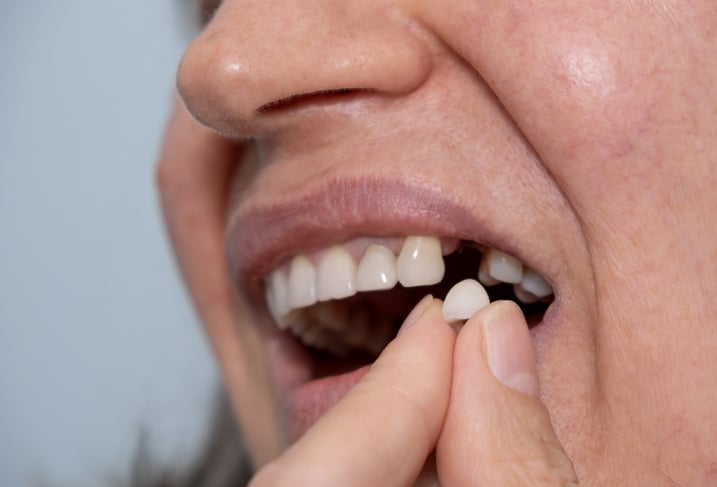
    It happens fast. One bad fall, one hard hit, one wrong bite, and suddenly you are holding a tooth in your hand. If a permanent tooth gets knocked out, the next few minutes matter more than most people realize. The best chance of saving that tooth is to keep it moist, handle it carefully, and get to a dentist right away. The American Dental Association says a knocked-out adult tooth should be kept moist at all times and placed back in the socket if possible, and the American Association of Endodontists says the best results often happen when care starts within 30 minutes.

    The first thing to know

    A knocked-out adult tooth is a real dental emergency. A knocked-out baby tooth is different. The AAPD advises that primary teeth should not be replanted, since doing that can damage the permanent tooth developing underneath.

    That distinction matters. A permanent tooth may be saved. A baby tooth usually is not put back in. In both cases, the mouth still needs to be examined, since the tooth is not always the only thing injured. A prompt dental exam helps your dentist check the socket, nearby teeth, the bite, and the surrounding tissues before a small injury turns into a bigger one.

    What to do in the first few minutes

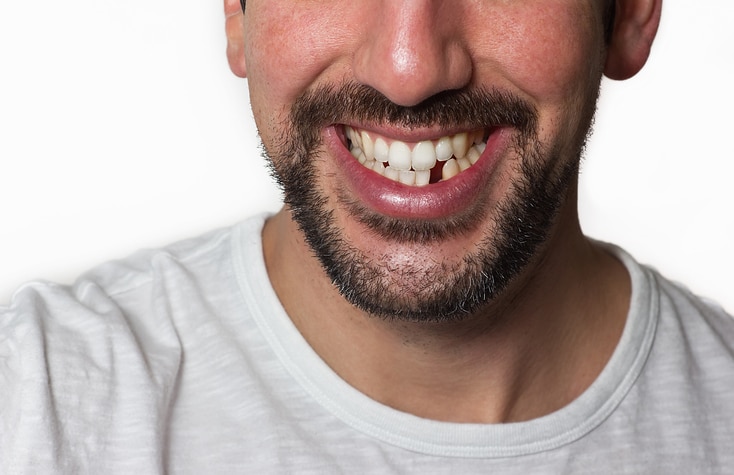
    Man Missing Tooth

    This is the part people search for when panic hits.

    If a permanent tooth falls out:

    • Pick it up by the crown, not the root.
    • If it is dirty, rinse it gently. Do not scrub it.
    • Try to place it back into the socket if you can.
    • If you cannot do that, keep it moist in milk or a tooth preservation product.
    • Get to a dentist immediately.


    The ADA specifically recommends handling the tooth by the crown and, if replanting is not possible, storing it in milk or an approved tooth preservation product. Mayo Clinic also notes that if you can reinsert the tooth, gently biting on gauze or a damp cloth can help hold it in place until you are seen.

    That short list is the part most people need first. Everything else comes after.

    Should you put the tooth back in the socket?

    If it is a permanent tooth and you can do it safely, yes, that is often the best move. The AAE states that immediate replantation at the site of the accident is the best treatment when possible, and it also notes that a tooth still may be saved even if it has been out of the mouth for an hour or more.

    That does not mean you should force it. If the tooth will not go in easily, do not push. Keep it moist and go straight to the dentist. The goal is to protect the root surface, not make the injury worse.

    What To Do When A Tooth Falls Out

    Is milk really the right thing to use?

    Yes. Milk is one of the most commonly recommended storage options when a permanent tooth cannot be replanted right away. The ADA recommends milk, and the AAPD also lists milk as an appropriate storage medium.

    That is why so many dentists mention it. It is simple, practical, and often close by. Dry storage is the mistake you want to avoid. A tooth left on the counter, wrapped in a tissue, or carried in a pocket loses valuable time.

    What happens at the emergency dental visit?

    People usually want to know two things here. Can the tooth be saved, and what is the dentist going to do?

    The first visit is usually focused and fast. Your dentist will examine the area, check the tooth and socket, take imaging if needed, and decide whether the tooth can be replanted or stabilized. In many cases, the tooth is repositioned and splinted to nearby teeth so it can heal in place. The AAPD trauma guidance includes flexible splinting as part of the acute management of avulsed permanent teeth.

    Some teeth also need follow-up treatment after they are put back in. Depending on the root development and the extent of injury, that may include monitoring or later endodontic care such as a root canal. The point is not to guess at home. It is to get the tooth evaluated while there is still something meaningful to save.

    Does it hurt, and will treatment hurt?

    A knocked-out tooth almost always comes with pain, shock, bleeding, or all three. The injury is usually worse than the treatment. The emergency visit is built around control first: stopping bleeding, protecting the area, numbing what needs to be numbed, and making a clear plan. Mayo Clinic and ADA first-aid guidance both focus on immediate stabilization and prompt dental care because delay raises the risk of losing the tooth.

    That is worth saying plainly. Most people do not regret getting seen quickly. They regret waiting.

    A Tooth Falls Out Emergency

    What if the tooth cannot be saved?

    That is the hard question, and it is a fair one.

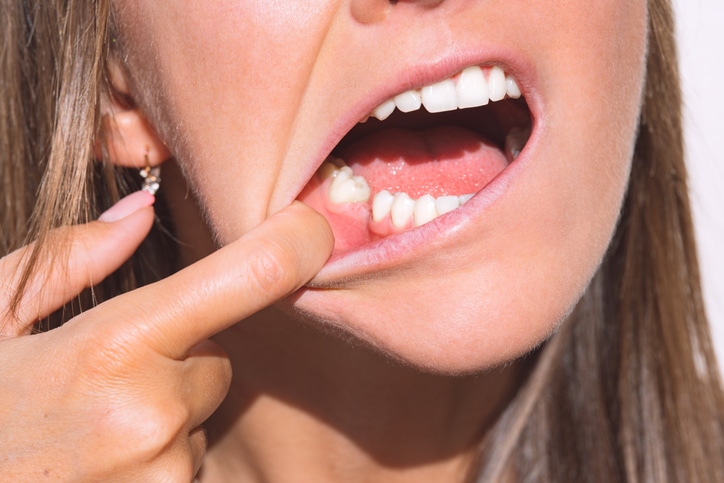
    Sometimes the damage is too severe. Sometimes, too much time has passed. Sometimes the surrounding bone or tissues are injured so severely that saving the tooth is no longer realistic. If that happens, the next step becomes replacing the missing tooth in a way that protects function, appearance, and long-term oral health.

    For some patients, that means a dental implant restoration. For others, a dental bridge may make more sense. The right answer depends on the tooth, the condition of the surrounding teeth, and the condition of the bone. What matters most in the moment is not choosing the final replacement on the sidewalk after an accident. It is protecting the area and getting examined quickly.

    When should you go to the ER instead of the dentist?

    Most knocked-out teeth belong in a dental office, but there are exceptions.

    Go to the ER first if there is:

    • trouble breathing or swallowing
    • loss of consciousness
    • major facial trauma
    • signs of a broken jaw
    • heavy bleeding that will not stop

    The AAPD trauma flow sheet specifically says to seek medical attention if there is loss of consciousness, neurological impairment, or other major medical concerns.

    If the injury is limited to the tooth and mouth, calling the dental office right away is usually the better route.

    When should you go to the ER instead of the dentist?

    Most knocked-out teeth belong in a dental office, but there are exceptions.

    Go to the ER first if there is:

    • trouble breathing or swallowing
    • loss of consciousness
    • major facial trauma
    • signs of a broken jaw
    • heavy bleeding that will not stop

    The AAPD trauma flow sheet specifically says to seek medical attention if there is loss of consciousness, neurological impairment, or other major medical concerns.

    If the injury is limited to the tooth and mouth, calling the dental office right away is usually the better route.

    A small window can make a big difference

    This is one of those situations where time changes the outcome. The AAE says the ideal window is within 30 minutes, though teeth may still be saved after longer periods. That is encouraging, but it is not a reason to wait. It is a reason to move.

    If a permanent tooth has fallen out, keep it moist, stay calm, and focus on the next right step. The first few minutes matter. So does getting the right team involved quickly.

    What people usually want to know in the first few minutes

    Yes, sometimes. The odds are best when it is a permanent tooth, it is handled carefully, kept moist, and seen quickly. The AAE says the best results are often within 30 minutes, though later success is still possible in some cases.

    Yes, if you cannot place a permanent tooth back into the socket right away, milk is one of the recommended storage options. The ADA includes milk among the preferred ways to keep a knocked-out tooth moist until you can get to the dentist.

    Do not try to put it back in. The AAPD advises that baby teeth should not be replanted because of the risk of damaging the permanent tooth underneath. The area still needs to be checked, especially if there was bleeding, swelling, or a hard impact.

    Get seen before the opportunity closes

    A tooth that falls out can feel chaotic, but the next steps are simple. Keep the tooth moist. Handle it carefully. Get seen fast.

    If you or your child has had a tooth knocked out, call Veranda Family Dentistry at 772.336.2300 or request an appointment through the contact form below. Quick action can make the difference between losing a tooth and saving it.