
Best Way to Replace Missing Teeth

Missing teeth affect chewing, comfort, and confidence. Compare implants, bridges, dentures, and partials to find the right fit for your smile today.

Table of Contents
    Add a header to begin generating the table of contents

    Losing a tooth changes more than your smile. The best way to replace missing teeth depends on how many teeth are gone, where they were, how healthy the surrounding teeth and bone are, and whether you want something fixed or removable. The good news is that most patients have more than one solid option, and the right choice usually becomes much clearer once you understand how each one works.

    The short answer most patients want first

    If you are missing one tooth, a dental implant often gives the most natural feel and function. If you are missing one or more teeth and want to avoid surgery, a bridge or partial may make more sense. If you are missing most or all of your teeth, dentures are often the most practical starting point, and some patients later move into implant-supported options. The American Dental Association says implants are “most like a natural tooth,” notes that bridges attach to neighboring teeth, and explains that dentures or partial dentures replace all, most, or some missing teeth depending on the case.

    Why replacing missing teeth matters

    Some patients want to wait, especially if the gap is not easy to see. That is understandable. But leaving space open can make chewing less comfortable, change how your bite comes together, and complicate replacement later. 

    Missing teeth also change how force moves through the mouth, which is one reason dentists usually recommend a plan sooner rather than later. NIDCR notes that oral problems can make chewing and speaking harder, and Veranda’s restorative pages are built around replacing teeth in ways that restore function, not just appearance.

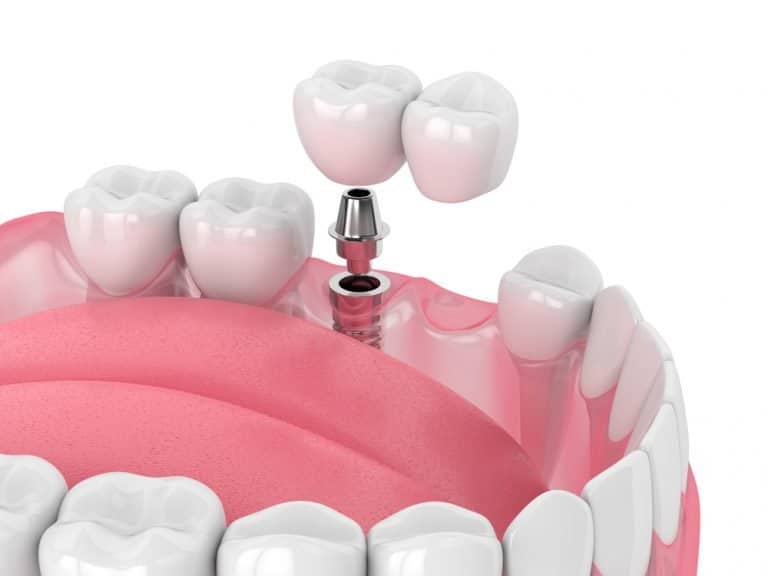
    Option one: implants

    For many adults, implants are the closest thing to getting back a tooth that feels independent and stable. An implant restoration uses an artificial root in the jaw with a restoration attached on top. 

    The ADA describes implants as a popular and effective long-term option for replacing missing teeth, and Veranda offers dental implant restorations for patients who want a fixed replacement rather than a removable one.

    Dental Implants - Veranda Family Dentistry

    Implants are often a strong choice when you want something that does not come out at night and when the surrounding teeth are otherwise healthy. They can replace a single tooth, several teeth, or help support other restorations. The tradeoff is that implants usually take more time and planning than a bridge or denture, and not every patient is an ideal candidate on day one.

    Option two: bridges

    A bridge fills the space left by a missing tooth by connecting a replacement tooth to support on either side. The ADA glossary describes a dental bridge as an appliance that fills the space left by missing teeth and is held in place by attaching to natural teeth or implants. Veranda’s dental bridges page explains the same basic idea in practical terms: the bridge spans the gap and restores fit and alignment.

    Bridges are often appealing because they are fixed in place and can usually be completed faster than implant treatment. They can be a very reasonable answer when the teeth next to the gap already need crowns or when implant surgery is not the direction a patient wants to go. The main question is whether the surrounding teeth and bite make that choice a smart long-term fit. That is where the exam matters.

    Option three: dentures and partials

    Dentures still matter because they solve real problems for real people. The ADA explains that dentures are removable appliances that replace missing teeth, while partial dentures replace one or more missing teeth when some natural teeth remain. Veranda offers both dentures and partials for patients who need a practical, proven way to restore chewing and appearance.

    For patients missing many teeth, dentures are often the most efficient place to begin. They can also be a better fit for someone who wants to avoid a longer treatment timeline or needs a more budget-conscious option. Partials can work well when you are missing several teeth in different places and still have healthy teeth left to work with.

    So what is the best option?

    This is where the answer becomes personal.

    For one missing tooth, many patients end up comparing an implant and a bridge. For several missing teeth, the decision usually widens to implants, bridges, partials, or some combination of them. For full-arch tooth loss, dentures often become part of the conversation, sometimes with implants later added for added support.

    The best option usually comes down to five questions:

    • How many teeth are missing?
    • Do you want a fixed or removable solution?
    • Are the surrounding teeth healthy?
    • What does the supporting bone look like?
    • What timeline and budget make sense for you?

    That last point matters. There is no honest one-size-fits-all answer when it comes to cost. A single implant, a bridge, and a partial denture all involve different materials, visits, and long-term maintenance. The more useful question is not “Which one is cheapest today?” It is “Which one gives me the best result for my mouth, my goals, and the years ahead?”

    What patients usually ask before they decide

    Which option looks the most natural?

    Implants usually win that question because they are fixed and designed to feel more like a standalone tooth. 

    That does not mean bridges, dentures, or partials cannot look good. They can. 

    It just means implants often feel the least like a removable appliance and the most like getting back a tooth-shaped piece of your normal life.

    Which option hurts the least?

    Bridges, dentures, and partials often feel more straightforward at the start because they usually avoid implant surgery. Implants involve a surgical phase, but many patients still choose them because they want a fixed result. The right question is not just what hurts least this week. It is what fits best over time.

    Is there one option that lasts the longest?

    Durability depends on the treatment, the bite, home care, and regular maintenance. Implants are often chosen for longevity, but they still require good habits and follow-up care. 

    Bridges and dentures can also serve patients well for years when they fit properly and are maintained.

    Dental Implant Restoration

    What if I do nothing for now?

    Sometimes waiting is unavoidable. But waiting should be a choice made with open eyes, not because no one explained the tradeoffs. The longer a space is left open, the more likely it is that function, neighboring teeth, and future treatment planning become less straightforward.

    How to make the right choice without overthinking it

    You do not need to solve this in your head at the kitchen table. You need a clear exam, honest options, and a dentist who explains the tradeoffs without pushing you into the same answer every patient gets.

    That is why this topic works best as a buyer-first conversation. You are not just asking what dentistry can do. You are asking what makes sense for your mouth, your time, your comfort, and your budget. The right answer should feel practical, not pressured.

    A better next step than guessing

    Missing teeth rarely fix themselves, and the best replacement option is not always obvious from a search result alone. What matters is choosing something that restores function, looks right, and fits the rest of your oral health plan.

    If you are trying to decide among implants, bridges, dentures, or partials, schedule a visit through the Veranda Family Dentistry contact page to get a clear recommendation based on your smile, not a generic answer online.

    What most people want to know before choosing

    No. They are often an excellent choice, but not always the best one for every patient. The best choice depends on the number of missing teeth, bone support, surrounding teeth, treatment goals, and budget.

    No. Depending on the case, several missing teeth may also be replaced with bridges, partials, implants, or a combination of treatments. That is why the exam and treatment plan matter.

    Bridges, dentures, and partials are often faster than implant treatment because implants usually involve a surgical phase and healing time. The fastest option is not always the best long-term option, but timing is an important part of the decision.

    Sometimes, yes. Some patients begin with a removable option and later move to implant-supported care or another fixed solution. That depends on healing, bone support, goals, and overall treatment planning.