
When Does a Tooth Need a Crown Instead of a Filling?
Understand why a dentist may recommend a crown, when a filling could still work, and which questions to ask before treatment.
If you expected a filling and heard “crown,” it is reasonable to ask why. You want to save your tooth without having more work than you need.
A tooth may need a crown when too little strong tooth remains for a filling to hold up under normal chewing. A filling repairs a damaged area. A crown covers the tooth above the gumline to help support what remains. The choice depends on the tooth’s condition, not just the size of the cavity or whether it hurts.
On this page
- When is a filling enough?
- Why might a dentist recommend a crown instead?
- What should the dental exam help you understand?
- Is there an option between a filling and a full crown?
- Does needing a crown mean you need a root canal?
- What should you ask about the appointment and cost?
- Can you wait if the tooth does not hurt?
- More questions about crowns and fillings
When is a filling enough?
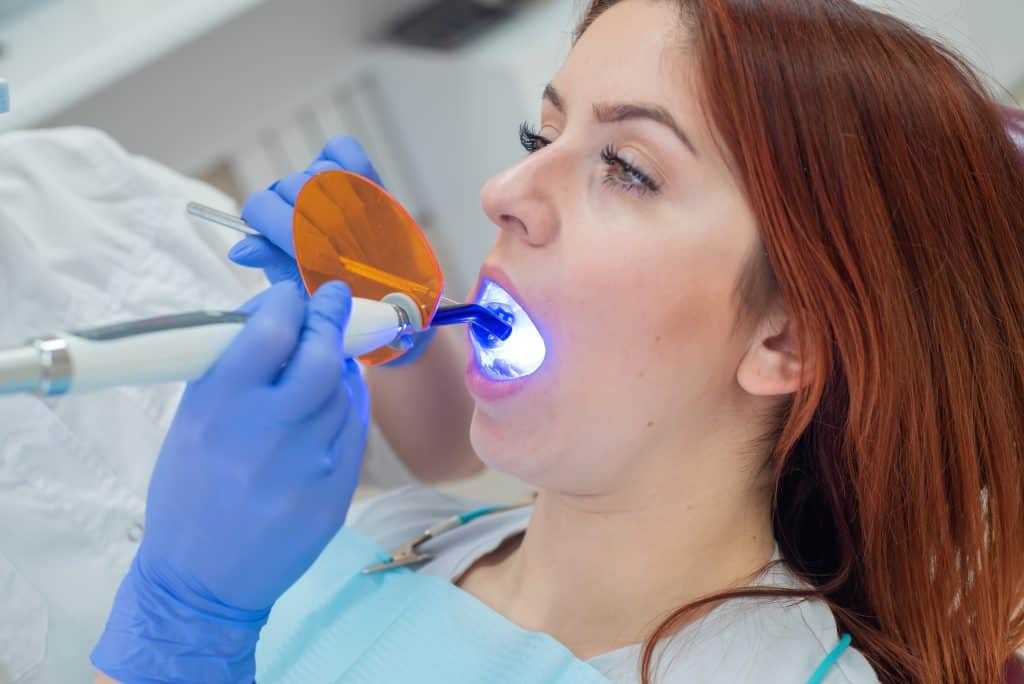
A filling may be a good choice when decay or damage is limited and enough sound tooth remains around the repair. The dentist removes the decay, places the filling material, and checks how the teeth meet.
The American Dental Association describes composite fillings as an option for small to medium repairs under moderate chewing pressure. Veranda’s tooth-colored fillings blend with the natural shade of the tooth.
A filling is not automatically the right choice because it costs less. The useful question is whether it can repair the problem while leaving a tooth that can handle everyday use.
Why might a dentist recommend a crown instead?
A crown may be recommended when a large filling leaves too little tooth to support another repair, or when the tooth is weak or broken. The ADA’s guidance on dental crowns describes these common reasons for covering a tooth.
Think about what is left after the damaged part is removed. Filling a space and supporting a weakened tooth are different jobs. Ask your dentist to explain which job your tooth needs.
A crack also changes the decision. Some cracked teeth can be protected with a crown. A crack that reaches the soft tissue inside the tooth may require root canal treatment as well. Some deeper cracks cannot be repaired. The American Association of Endodontists explains why the type and depth of a crack matter.
The age of an old filling, by itself, is not a clear explanation for a crown. Ask what has changed in the surrounding tooth.
What should the dental exam help you understand?
You do not need to interpret an X-ray yourself. Ask the dentist to show you the findings and connect them to the proposed treatment. A dental exam is the starting point for that conversation.
- What is damaged? Is there new decay, a broken area, a crack, or a problem around an old filling?
- What will remain? After the damaged part is removed, why would a filling be strong enough, or not?
- What are the options? Could a filling or partial covering work? What would make a full crown more suitable?
- What happens if I wait? Ask about the risk for this tooth and the recommended timing.
Photos and X-rays can help explain the plan, but they do not replace an examination. The National Institute of Dental and Craniofacial Research notes that decay can be found through a dental checkup and X-rays, and early decay often causes no symptoms.
Is there an option between a filling and a full crown?
Sometimes. A custom inlay or onlay may suit a tooth that needs more than a direct filling but does not need full coverage. An inlay fits within the chewing surface. An onlay also covers one or more of the raised chewing points, called cusps.
| Repair | What it covers |
|---|---|
| Filling | A damaged area within the tooth. |
| Inlay or onlay | A custom repair within the chewing surface, with an onlay covering one or more cusps. |
| Crown | The tooth above the gumline, providing full coverage. |
Ask whether dental inlays and onlays are suitable for your tooth. They are an option to discuss, not a required step before a crown.
Does needing a crown mean you need a root canal?
No. A crown restores the outside of a tooth. A root canal treats inflamed or infected tissue inside it. One does not automatically mean you need the other.
If you have already had a root canal, the final repair still matters. The AAE explains that back teeth generally need crowns after root canal treatment, while front teeth do not always need them. The amount of tooth left helps guide that choice.
A crown alone does not treat an infection inside the tooth. Ask whether the dentist has found a problem with the tooth’s nerve, its outer structure, or both.
What should you ask about the appointment and cost?
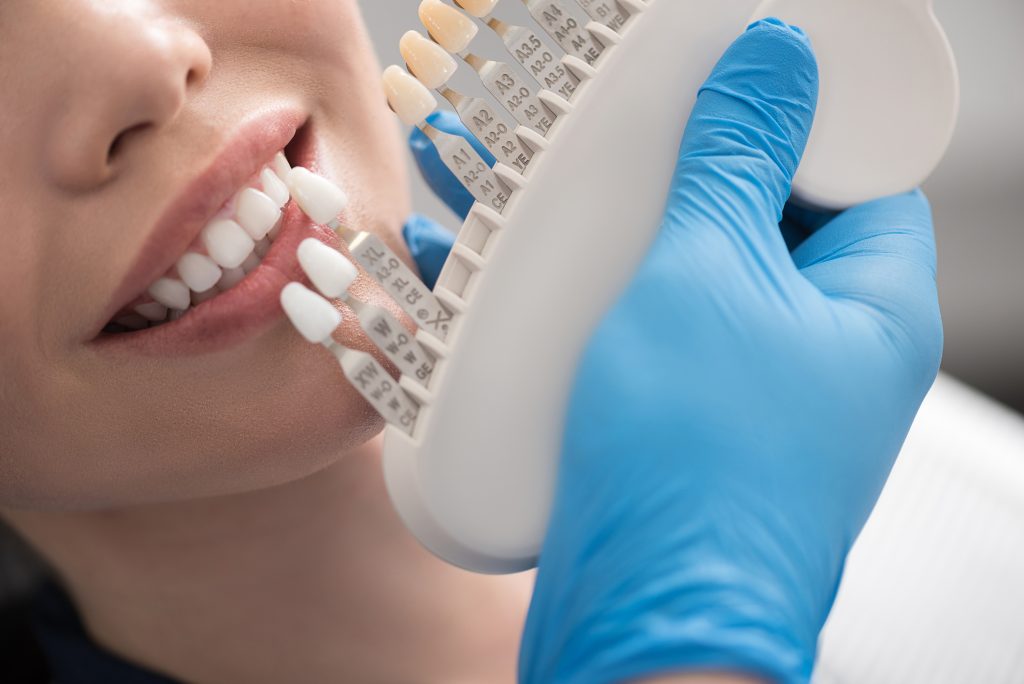
For a crown, the dentist shapes the tooth, takes an impression or digital scan, and checks the finished crown’s fit and bite. Some teeth need a buildup first to create a foundation. These steps help explain why a crown is a different procedure from a filling.
Veranda Family Dentistry offers same-day dental crowns in Port St. Lucie using digital scans and in-office technology. Ask whether your tooth is suitable and whether any other treatment is needed first.
Before you agree to treatment, request a written estimate. Ask whether it includes the exam, imaging, buildup, crown, and any separate treatment. Confirm your expected share with the office and your insurer. A benefit estimate is not a guarantee of payment.
Discuss numbing and any dental anxiety before the appointment. Sensitivity or gum soreness can occur after a crown. Cleveland Clinic’s crown guide explains the procedure and possible recovery symptoms. Contact your dentist if pain worsens or your bite feels wrong.
Can you wait if the tooth does not hurt?
There is no waiting period that is safe for every tooth. Lack of pain does not prove that a tooth is healthy or strong. Ask your dentist whether the concern is active decay, a fracture, or another problem, and how soon it should be treated.
Call a dentist promptly for new swelling, fever with dental pain, a broken tooth, or worsening pain. Trouble breathing or swallowing requires emergency medical care. Dental abscess guidance from the NHS identifies these as warning signs that need urgent attention.
More questions about crowns and fillings
Can I ask for a filling even if a crown is recommended?
Yes. Ask whether it is a reasonable option and what its limits would be for your tooth. If the dentist believes a filling would leave the tooth at risk, ask them to show you why. You should understand the reason before deciding.
Should I get a second opinion before a crown?
A second opinion can help if the reason or options remain unclear. Bring the proposed treatment plan and ask how existing images can be shared. If the tooth is painful, swollen, or broken, ask about timing so that getting another opinion does not delay needed care.
Can a tooth get another cavity after a crown?
Yes. A crown does not make the remaining tooth immune to decay. Brush twice daily with fluoride toothpaste, clean between teeth each day, and keep dental checkups. Ask your dentist to show you how to clean around the crown’s edge.
Get a clear explanation before choosing a filling or crown
Bring your questions to Veranda Family Dentistry at 718 SE Becker Road in Port St. Lucie. Ask what the exam shows, which repair fits your tooth, and what the plan will cost.
Call 772.336.2300 or use the appointment request form below.