
Root Canal vs. Tooth Extraction: How Do You Decide?
A root canal and a tooth extraction can both address a badly damaged or infected tooth, but they lead to different outcomes. A root canal removes inflamed or infected tissue from inside a tooth so the tooth can be cleaned, sealed, and restored. An extraction removes the entire tooth. When the tooth can be predictably restored, saving it is often considered first. When there is not enough healthy structure or support to repair it, removal may be the safer plan.
The choice cannot be made from pain alone. A dental examination and X-rays help show whether the tooth is restorable, how far a crack or decay extends, and what treatment would be needed afterward. This guide explains the questions that shape that decision.

What is the difference between a root canal and an extraction?
During root canal treatment, the inflamed or infected pulp is removed from inside the tooth. The canals are cleaned, disinfected, filled, and sealed. The American Association of Endodontists explains that the goal is to prevent reinfection while keeping the natural tooth.
The tooth usually still needs a final restoration. Depending on its location and the amount of structure left, that may be a filling or a crown. Veranda’s same-day crown information explains one type of protection a dentist may discuss after treatment.
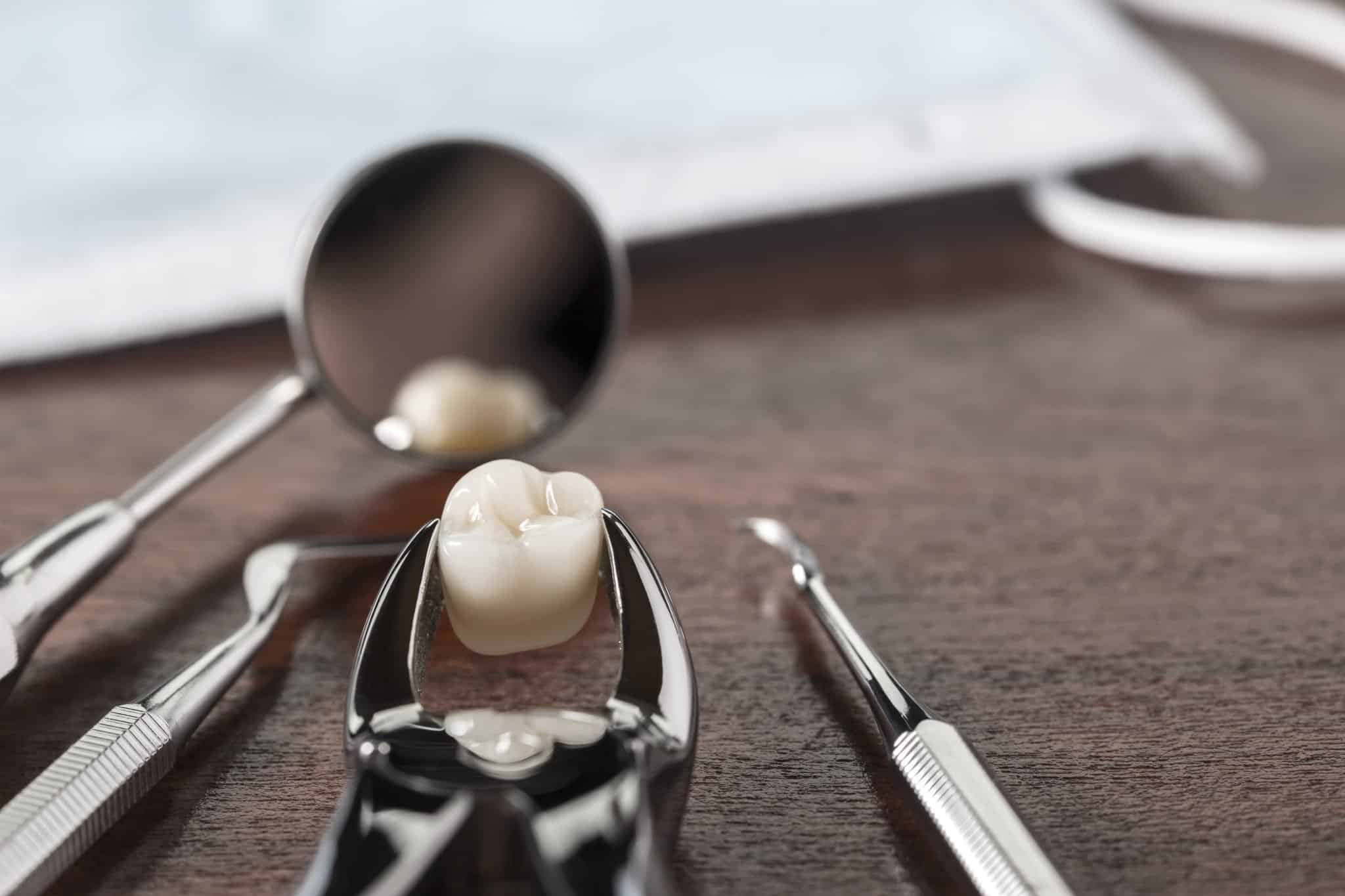
An extraction removes the tooth from its socket. The ADA notes that teeth may be removed because of disease, trauma, or crowding. The dentist then discusses healing and whether the space should be replaced.
How does a dentist decide whether a tooth can be saved?
A dentist looks at more than whether the tooth hurts. The main question is whether enough healthy tooth and supporting tissue remain for a durable repair. The examination may include bite testing, gum measurements, and X-rays. A crack that reaches far below the gumline, severe loss of tooth structure, poor bone support, or a tooth that cannot be restored may change the recommendation.
The condition inside the tooth matters too. Deep decay, repeated dental work, a crack, or an injury can inflame or infect the pulp. A root canal treats the inside of a tooth, but it cannot replace missing outer structure or correct every type of fracture. That is why a dentist evaluates the whole tooth before recommending treatment.
If you have been told you need one option, ask what finding makes the tooth restorable or nonrestorable. You can also ask what the tooth will need after the first procedure and what might make the plan change.
When may root canal treatment make sense?
A root canal may be considered when the pulp is irreversibly inflamed or infected and the tooth can still be restored. Keeping the tooth can preserve normal chewing and avoid an open space. The AAE’s comparison of root canal treatment and extraction emphasizes that saving the natural tooth can also avoid the added procedures needed to replace it.
Symptoms may include lingering temperature pain, pain with chewing, tenderness, swelling, or a pimple on the gum. Some teeth have few symptoms, so testing matters. For the warning signs and limits of self-diagnosis, read Veranda’s guide to signs you may need a root canal.
A recommendation to save the tooth is not a guarantee. Ask about the amount of remaining tooth structure, the final restoration, and any factors that may affect the outlook.
When may an extraction be recommended?
An extraction may be recommended when a tooth cannot be predictably restored, when a fracture extends too far, when advanced disease has destroyed support, or when another treatment would not leave a usable tooth. It may also be part of a broader treatment plan. The reason should be specific to your tooth.
Veranda’s tooth extraction information describes the service and typical aftercare. After removal, a blood clot forms in the socket and protects the area while healing begins. Follow the dentist’s instructions, including advice about food, cleaning, smoking, rinsing, and straws.
Before choosing removal, ask whether the space should be replaced and when that discussion should happen. Bridges, removable teeth, and implant-supported options are different plans with different timelines. Not every space has the same needs.
How do pain and recovery compare?
Both procedures are performed with local anesthetic when appropriate, so the area is numbed during treatment. Soreness afterward varies with the condition of the tooth and the procedure. A root canal can leave the tooth or nearby tissues tender for a few days. Extraction creates a healing socket, so protecting the clot and following aftercare directions are important.
Do not pick a treatment only because you expect one to hurt less. Ask what discomfort is typical, what pain plan is safe for you, and which symptoms require a call. The ADA advises contacting a dentist for swelling after an extraction. Increasing swelling, fever, a bad taste, or pain that is getting worse also deserves prompt advice.
Get urgent medical help if swelling affects breathing, swallowing, or speaking, or spreads toward the eye or neck. An untreated abscess can spread into the jaw and surrounding tissues, according to the ADA’s abscess guidance.
What changes the total cost and timeline?
There is no single price for either option. Cost depends on the tooth, the difficulty of treatment, imaging, the final restoration, insurance benefits, and any care needed after an extraction. A front tooth and a molar may not involve the same work. A root canal estimate may need to include the crown or filling that protects the tooth.
An extraction can have a lower first-step fee, but that is not always the full comparison. If the missing tooth should be replaced, include the replacement, healing visits, and related procedures in the long-term plan. Ask for written estimates that separate each stage, and confirm benefits with your insurer.
Also compare time and function. Ask how many visits are expected, whether a temporary restoration is needed, how soon you can chew normally, and what follow-up is included. The best value is the plan that safely addresses the problem and gives you a clear next step.
Questions patients often ask
Can antibiotics replace a root canal or extraction?
Antibiotics may be used in some infections, but they do not remove infected pulp or repair a damaged tooth. The dental source still needs evaluation. Ask what treatment addresses the cause and whether antibiotics are appropriate for your situation.
Is pulling the tooth always the faster choice?
Not necessarily. The extraction itself is only one part of the plan. Healing, follow-up, and replacement of the missing tooth may add visits. Compare the complete plan for both options before deciding.
Can I wait if the pain stops?
Pain can change even when disease remains. If a dentist has identified deep decay, infection, or a crack, do not use a quiet day as proof that the problem is gone. Ask how soon the recommended treatment should happen.
Discuss your tooth with a dentist in Port St. Lucie
If you have tooth pain, swelling, a broken tooth, or questions about a treatment recommendation, call Veranda Family Dentistry at 772.336.2300. The office is at 718 SE Becker Road in Port St. Lucie. You can also use the appointment request form below for nonurgent requests.
This information is general guidance and is not a diagnosis of your tooth.