
Can a Cavity Heal on Its Own? What Changes Can Be Reversed
The difference between early enamel mineral loss and a true hole in the tooth
Some very early tooth decay can be stopped and may regain minerals before the enamel surface breaks. Once decay has created a physical hole, the tooth does not grow that missing enamel back. A dental exam helps distinguish an early, noncavitated change from a cavity that may need a filling.
The short answer
An early area of mineral loss may sometimes be arrested or reversed if the enamel surface is still intact. Fluoride, saliva, daily plaque removal, and changes in how often teeth are exposed to sugar can help minerals return to weakened enamel.
A true cavity is different. If the enamel has broken down and a hole has formed, the missing tooth structure cannot regenerate on its own. The tooth needs a dentist to determine whether monitoring, preventive care, or a restoration is appropriate.
White or brown spots, sensitivity, and a dark mark can have several causes. Appearance alone cannot reliably tell you whether a surface is intact. That is why a dental exam matters.
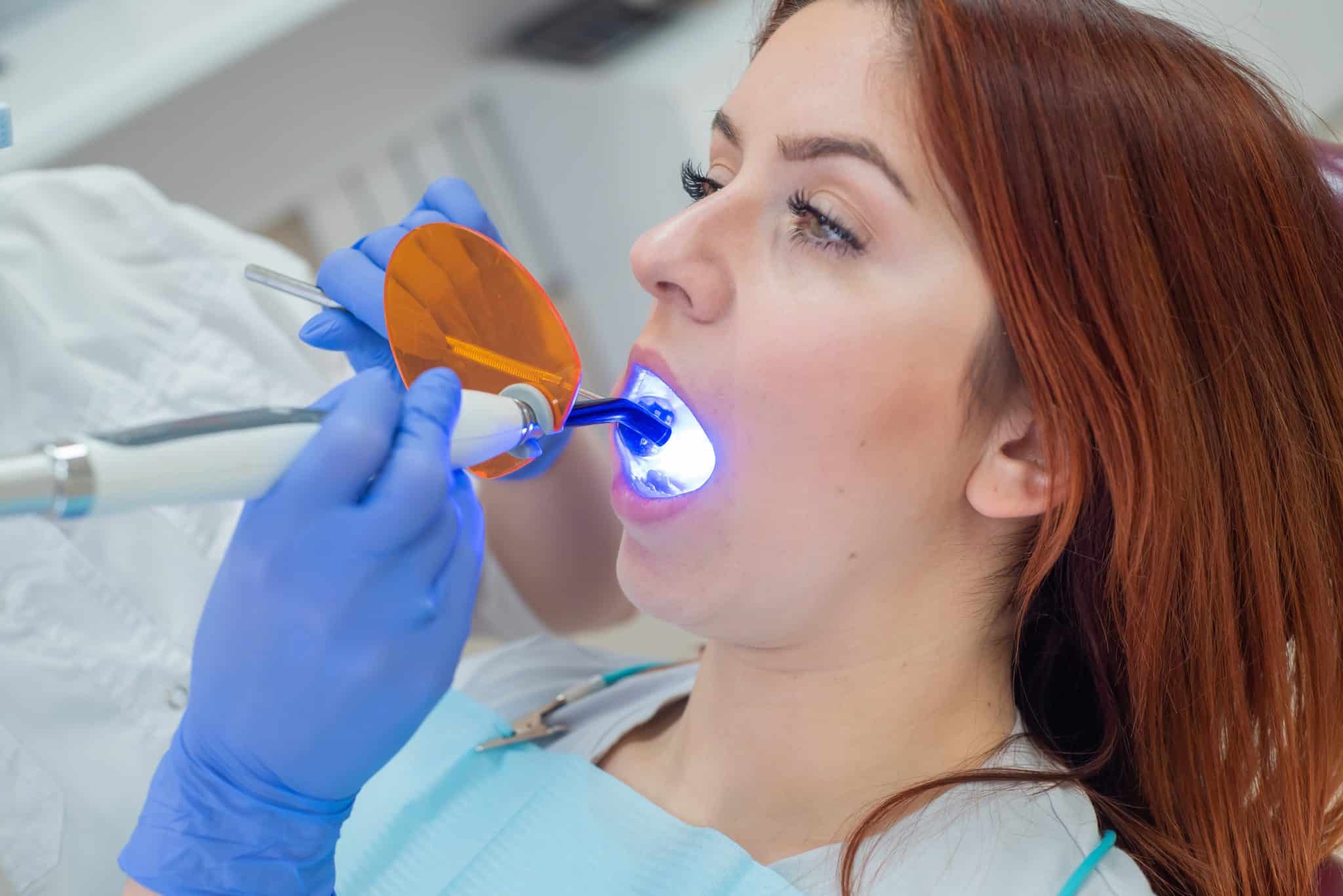
What does it mean to reverse early tooth decay?
Enamel is constantly exposed to two competing processes. Acids produced by bacteria can pull minerals from the tooth, a process called demineralization. Saliva helps neutralize acids and carries minerals back to the enamel. Fluoride can support this repair process and make enamel more resistant to future acid attacks.
The National Institute of Dental and Craniofacial Research explains that an early white spot can represent mineral loss before a cavity forms. At this stage, the process may be stopped or reversed. This does not mean a broken tooth has healed. It means the surface remained intact while its mineral balance improved.
Not every white spot is active decay, and not every early lesion will improve without professional guidance. A dentist looks at the location, surface, activity, and your overall cavity risk before recommending how the area should be managed.
How can a dentist tell whether a cavity has formed?
A dentist combines what can be seen and felt with your symptoms and dental history. Bitewing X-rays may reveal decay between teeth or below the outer enamel where it cannot be seen directly. The dentist may also consider whether an area appears active, whether the surface is intact, and how quickly it has changed.
An X-ray can show how far a radiolucent area appears to extend, but the treatment decision is not based on one image alone. The location of the lesion, access for cleaning, previous restorations, dry mouth, diet, and cavity history can all affect the plan.
If you have not had an exam recently, scheduling one is more useful than trying to diagnose a spot from a mirror or photo. Early evaluation may preserve more healthy tooth structure and may leave more treatment options available.
What may help when the enamel surface is still intact?
For an early, noncavitated area, the goal is to reduce acid exposure and support remineralization. Your dentist may recommend a plan based on your individual risk. Common foundations include:
- Brush twice a day with fluoride toothpaste and spit after brushing.
- Clean between teeth every day so plaque is not left in areas a toothbrush cannot reach.
- Limit how often you sip or snack on sugary or starchy foods and drinks. Frequency matters because each exposure can start another acid attack.
- Drink water and address dry mouth with your dentist or physician when it is persistent.
- Keep the follow-up interval your dentist recommends so the area can be checked for stability or progression.
Professional fluoride or other preventive measures may be appropriate in some situations. The American Dental Association notes that nonrestorative options depend on whether a lesion is cavitated, where it is located, and whether it is active. A plan should be selected after diagnosis, not used as a substitute for one.
Routine professional cleanings support plaque control, but cleaning alone does not repair a hole in a tooth.
When is a filling more likely to be needed?
A filling becomes more likely when decay has created a physical opening, when a lesion is progressing into dentin, or when the weakened area cannot be kept clean and stable. The purpose is to remove or manage diseased tooth structure, seal the area, and restore function.
The size and location of the damage matter. A smaller area may be suitable for a tooth-colored filling. A tooth with extensive lost structure, a large existing restoration, or a fracture may need a different approach. If you are comparing recommendations, our guide to crowns versus fillings explains the structural questions dentists consider.
Waiting for pain is not a reliable way to decide. Many cavities cause no symptoms until they are larger. A restoration recommended after an exam is intended to address the condition found now, not to predict exactly when discomfort will begin.
Can a cavity stop growing without actually healing?
Yes, some lesions can become inactive or arrested, but that is not the same as replacing missing enamel. An arrested area may become harder and stop progressing when the conditions that caused decay are brought under control. Whether monitoring is reasonable depends on the lesion, its surface, its location, and your ability to keep it clean.
This distinction is important because a dark or discolored spot may be inactive, active, stained, or something other than decay. Only a dentist who examines the tooth can tell you whether observation is appropriate. If monitoring is chosen, follow-up is part of the treatment plan. An area that changes may need a different approach later.
Does a cavity always hurt?
No. Early and moderate decay may be painless. Sensitivity to cold, sweets, or biting can occur as decay advances, but the absence of pain does not mean a tooth is healthy.
Call promptly if you develop increasing toothache, pain that wakes you, swelling of the face or gums, a bad taste or drainage, or fever with dental pain. These symptoms can point to inflammation or infection that needs timely evaluation. Facial swelling that affects breathing or swallowing is an emergency and needs immediate medical attention.
What should you do if you think you have a cavity?
Schedule an exam instead of waiting for the spot to change or hurt. Bring up any sensitivity, dry mouth, recent diet changes, or areas where food catches. If you have recent dental X-rays from another office, ask whether they can be transferred before your visit.
At Veranda Family Dentistry in Port St. Lucie, the next step begins with identifying whether the enamel is intact, whether decay is active, and how much tooth structure is involved. From there, the dentist can discuss appropriate options and what should be monitored.
The practical rule is simple: early mineral loss may be reversible, but a hole in the tooth is not. The sooner the difference is established, the better the chance of using the most conservative option that fits the finding.
Concerned about a spot, sensitivity, or possible cavity?
Call Veranda Family Dentistry at 772.336.2300 to schedule an evaluation. A dental exam can show whether an area can be monitored or needs treatment.