
Dry Mouth From Medication: How to Protect Your Teeth and When to Call
Some medicines can reduce saliva and leave your mouth feeling dry. Do not stop or change a prescription on your own. Instead, tell your dentist and the clinician who prescribed it. While they review the cause, water, sugar-free gum, fluoride toothpaste, and fewer sugary or acidic snacks can help protect your teeth.
Dry mouth is more than an uncomfortable feeling. Saliva helps wash away food, control acids, and support the minerals that keep enamel strong. When dryness continues, cavities and mouth infections can become more likely. A focused dental visit can look for early damage and build a prevention plan around the medicines you need.

Why can medicine cause dry mouth?
Dry mouth, also called xerostomia, means there is not enough saliva to keep the mouth comfortably wet. Hundreds of medicines can affect saliva. Common examples include some medicines used for high blood pressure, depression, allergies, congestion, pain, bladder control, and muscle spasms. Taking several medicines can raise the chance of this side effect.
The feeling of dryness does not always match the amount of saliva a person produces. That is one reason a medication list and an oral exam both matter. The National Institute of Dental and Craniofacial Research recommends seeing a dentist or doctor when dry mouth persists so the cause can be identified.
Dry mouth can also have causes unrelated to medication, including dehydration, diabetes, Sjögren’s disease, cancer treatment, nerve injury, and mouth breathing. A dentist cannot assume a prescription is the only cause just because dryness began while you were taking it.
Why does less saliva raise cavity risk?
Saliva lubricates the mouth, helps with tasting and swallowing, clears food and sugar, and buffers acids. It also supplies minerals that help enamel repair early mineral loss. With less saliva, the mouth has less natural protection between brushing sessions.
Problems can include new cavities, decay near the gumline, tooth sensitivity, sore or cracked tissues, bad breath, trouble swallowing dry food, and oral infections. Dentures may also feel less comfortable when the tissues beneath them are dry. The American Dental Association notes that reduced salivary flow can raise the chance of tooth demineralization, cavities, sensitivity, and mouth infections.
Risk also depends on what you sip or suck on for relief. Frequent soda, juice, sports drinks, sweet tea, cough drops, or candy can repeatedly expose teeth to sugar or acid. Water and sugar-free choices are usually kinder to teeth.
What can you do today?
These steps can make the mouth more comfortable and reduce repeated acid or sugar exposure:
- Sip plain water through the day and with meals.
- Chew sugar-free gum or use sugar-free hard candy if your health care professional says it is appropriate for you.
- Brush twice a day with fluoride toothpaste and clean between your teeth daily.
- Limit frequent sugary or acidic drinks and snacks, especially between meals and after bedtime brushing.
- Avoid tobacco and alcohol. If an alcohol-containing mouthwash stings or worsens dryness, ask about an alcohol-free option.
- Use a cool-mist humidifier at night if bedroom air or mouth breathing makes symptoms worse.
Do not increase water far beyond your medical plan if a physician has limited your fluids because of heart, kidney, or another health condition. Ask that clinician what is safe for you.
What will a dentist check?
Bring an up-to-date list of prescriptions, over-the-counter products, supplements, and the times you take them. The dental team may ask when the dryness started, whether it is worse at night, how often you wake to drink, and whether eating, swallowing, speaking, or wearing dentures has changed.
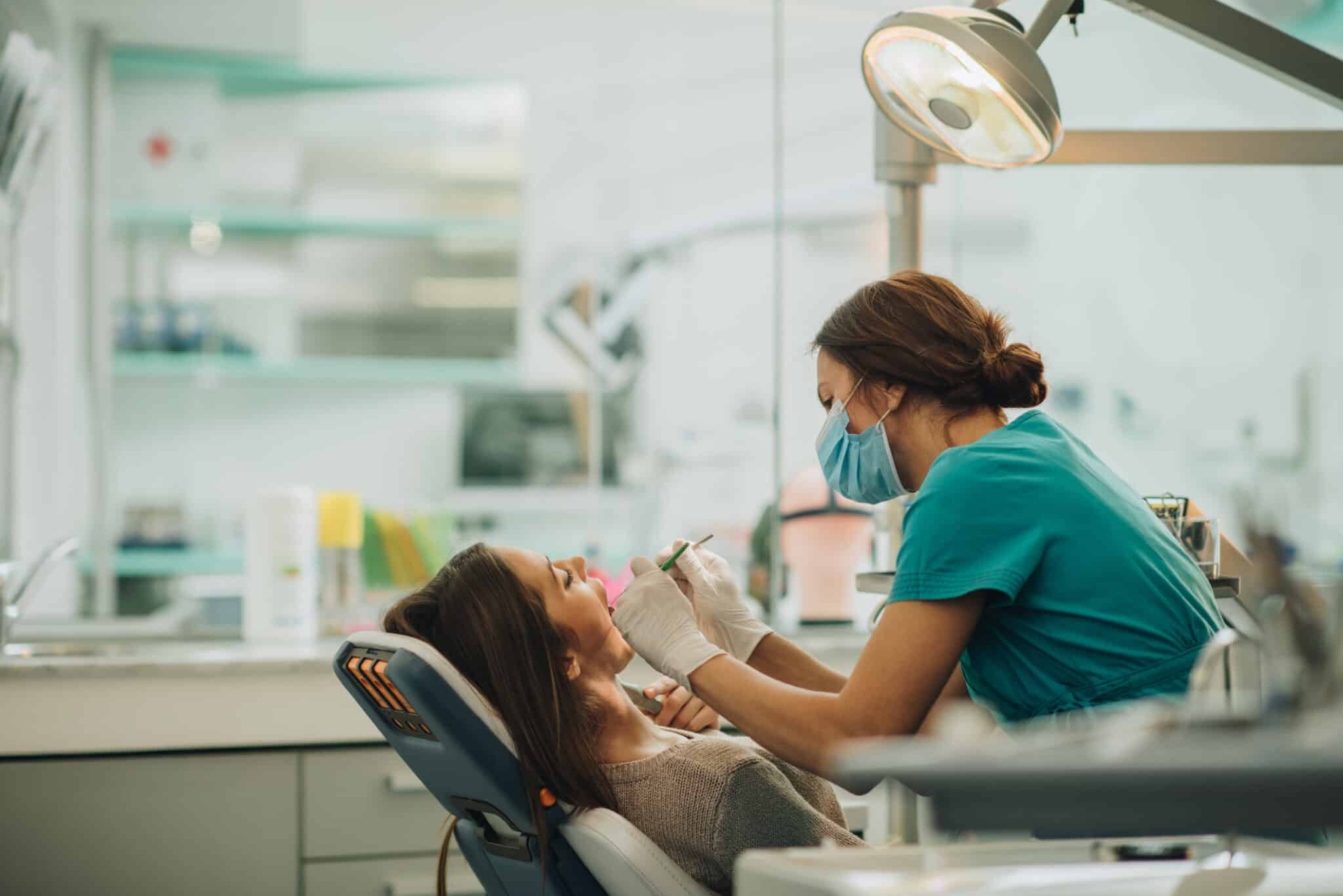
An exam can look for dry or irritated tissues, mouth sores, plaque buildup, new decay, gum inflammation, cracked lips, and signs of infection. Your dentist may discuss fluoride varnish or a home fluoride product when cavity risk is high. NIDCR notes that patients with medication-related dry mouth may need added fluoride based on their individual risk.
This is also a good time to review your recall schedule. A person developing cavities quickly may need a different prevention plan than someone with mild symptoms and no active disease. Learn what happens during dental exams at Veranda Family Dentistry and how professional cleanings support daily care.
When should you call your dentist or prescriber?
Call your dentist if dryness continues for more than a short period, wakes you often, makes eating or speaking difficult, or comes with tooth sensitivity, a rough or burning tongue, cracked lips, sores, bad breath, or a change in how dentures fit. Call promptly for swelling, fever, spreading pain, pus, white patches that do not wipe away, or trouble swallowing.
Contact the prescriber or pharmacist when symptoms begin after a new medicine or dose change. They can review whether dryness is a known side effect and whether timing, dose, or an alternative may be appropriate. Never skip doses or stop a needed medicine without that guidance.
If a cavity has already formed, prevention alone will not rebuild the missing tooth structure. Your dentist can explain whether a tooth-colored filling or another restoration fits the damage found on the exam.
Do fluoride and saliva substitutes help?
Fluoride, saliva substitutes, and sugar-free gum serve different purposes. Fluoride helps strengthen enamel and can help stop or reverse very early mineral loss. A saliva substitute or moisturizing product may ease stickiness for a time. Sugar-free gum can stimulate saliva when the glands can still respond.
No single over-the-counter product works best for everyone. Medical conditions, swallowing problems, allergies, and the reason for dryness can affect what is appropriate. Bring the product name to your visit or ask before using it regularly. A dentist can help you choose a product without promising that it will correct the underlying cause.
Older adults often take more medicines, but dry mouth is not an unavoidable part of aging. Our related guide to dentistry for seniors explains other age-related oral health considerations.
Common questions about medication-related dry mouth
Should I stop a medication if my mouth is dry?
No. Do not stop, skip, or change a prescription on your own. Tell the prescriber, pharmacist, and dentist. They can review the possible cause and decide whether any change is medically appropriate.
Is drinking water enough to prevent cavities from dry mouth?
Water can ease dryness and helps avoid sugary drinks, but it may not replace all of saliva's protective functions. Fluoride, daily cleaning, diet habits, and dental monitoring may also be needed based on your cavity risk.
Can dry mouth cause cavities quickly?
Dry mouth raises cavity risk, but the pace varies with saliva flow, diet, fluoride exposure, home care, existing dental work, and other health factors. An exam can show whether early mineral loss or a cavity is already present.
Protect your teeth while managing dry mouth
Medication-related dry mouth deserves attention before discomfort turns into decay or infection. Veranda Family Dentistry can examine your teeth and soft tissues, review your medication list, and recommend a practical prevention plan without changing a prescription.
If dry mouth is persistent or your teeth feel different, call 772.336.2300 to schedule a visit in Port St. Lucie.