

How Many Visits Does a Root Canal Take? What Patients Should Expect

Learn how many visits a root canal usually takes, what happens at each appointment, and how modern root canal therapy restores teeth safely and comfortably in Port St. Lucie.

Table of Contents
    Add a header to begin generating the table of contents

    A Common Question With a Clear Answer

    One of the most common questions patients ask before scheduling treatment is simple: how many visits does a root canal take?
    In most cases, root canal therapy can be completed in one to two visits, depending on the condition of the tooth and whether a restoration is placed afterward.

    Understanding the process helps ease anxiety and allows patients to make informed decisions about their care. At Veranda Family Dentistry, our family dentistry services focus on comfort, clarity, and long-term results.

    Why Root Canal Therapy Is Sometimes Necessary

    Root canal therapy is performed when the inner pulp of a tooth becomes infected due to deep decay, cracks, trauma, or repeated dental procedures. Without treatment, infection can spread, leading to pain, abscesses, and eventual tooth loss.

    Despite outdated myths, modern root canal treatment is safe, effective, and typically painless thanks to advanced techniques and anesthesia. Treating the infection early helps preserve the natural tooth and avoid more extensive procedures later.

    How Many Visits Does a Root Canal Usually Require?

    Tooth Pain Root Canal

    Most Patients Need One or Two Visits

    For the majority of patients, root canal therapy is completed in two visits:

    • Visit one: Removal of infection and cleaning of the tooth

    • Visit two: Placement of a permanent restoration to protect the tooth

    In some straightforward cases, both steps may be completed in a single appointment. Your dentist will determine the best approach after a full evaluation.
    What Happens During the First Root Canal Visit

    The first visit focuses on eliminating infection and relieving discomfort.

    During this appointment, the dentist will:

    • Perform a comprehensive exam and take diagnostic X-rays

    • Numb the area thoroughly so you remain comfortable

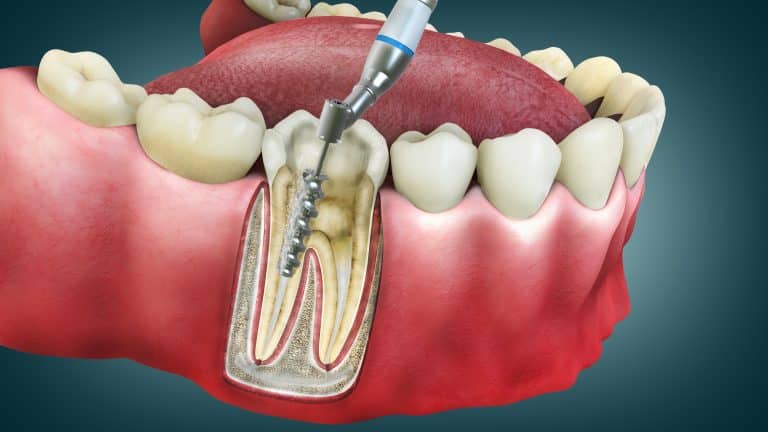
    • Create a small opening in the tooth to access the infected pulp

    • Remove damaged nerve tissue and bacteria

    • Clean and disinfect the root canals

    • Place a temporary filling to seal the tooth

    Root Canal

    This step stops the infection and allows the tooth to begin healing. If you’d like to learn more about how infections are detected early, our oral health blog articles explain the warning signs in detail.

    What Happens During the Second Root Canal Visit

    The second visit focuses on long-term protection and function.

    At this appointment, the dentist will:

    • Remove the temporary filling

    • Evaluate healing and stability

    • Restore the tooth so it can function normally again

    In most cases, a dental crown is recommended to protect the treated tooth from fracture. Depending on the tooth and bite forces, dental inlays or onlays may also be an option. Restoring the tooth properly helps prevent reinfection and ensures durability.

    With modern anesthesia and techniques, most patients report that a root canal feels similar to getting a standard filling. In fact, root canal therapy often relieves pain rather than causes it.


    If anxiety is a concern, our team takes a patient-centered approach, similar to what we use across all of our preventive and restorative care services
    .

    You should schedule an evaluation if you experience:

    • Persistent tooth pain

    • Sensitivity to heat or cold

    • Swelling or tenderness in the gums

    • Darkening of a tooth

    • Pain when biting or chewing

    Early diagnosis often means simpler treatment and fewer visits.

    Schedule a Root Canal Consultation in Port St. Lucie

    If you suspect an infection or have been told you may need root canal therapy, the best next step is a professional evaluation. Prompt treatment can save your natural tooth and prevent complications.

    You can schedule a call through our form below or call us at (772) 336-2300 to discuss your symptoms and treatment options with our experienced dental team.