

Why Does My Tooth Hurt When I Bite Down?

Sharp tooth pain when biting down? Learn the common causes like cracked teeth, cavities, and infection and when to see a Port St. Lucie dentist.

Table of Contents
    Add a header to begin generating the table of contents

    A sudden sharp pain when you bite into food can be alarming and difficult to ignore. Many people notice it while chewing, biting into something firm, or even when lightly pressing their teeth together.

    Pain when biting usually means there is irritation or damage affecting the tooth or the tissues that support it. In many cases, the problem may involve a cracked tooth, infection, cavity, or inflammation in the ligament that connects the tooth to the jawbone.

    Getting the tooth evaluated early can often prevent the problem from becoming more serious and may allow the dentist to save the tooth with conservative treatment.

    Quick Answer: Why Biting Pressure Causes Tooth Pain

    Pain when biting down usually happens when pressure irritates a damaged tooth or inflamed tissue around it.

    Common causes include:

    • cracked teeth
    • tooth infections
    • deep cavities
    • loose dental restorations
    • gum disease affecting the supporting bone

    Because these conditions can worsen over time, dentists typically recommend evaluating persistent bite pain as soon as possible.

    A Cracked Tooth Is One of the Most Common Causes

    Toothache Help Port Saint Lucie FL

    Small cracks in teeth occur more often than many patients realize. They can develop from biting hard foods, teeth grinding during sleep, sports injuries, or previous dental work that weakened the tooth.

    When pressure is applied during chewing, the crack may flex slightly. That movement can irritate the nerve inside the tooth and create a sharp or sudden pain.

    According to the American Dental Association’s guidance on cracked teeth, biting pressure can cause a cracked tooth to open microscopically, which often explains why patients feel pain when chewing or releasing pressure.

    In many situations, a dentist can protect the tooth with a dental crown that stabilizes the structure. If infection develops inside the tooth, treatment such as a root canal procedure may be recommended to remove the infection and preserve the natural tooth.
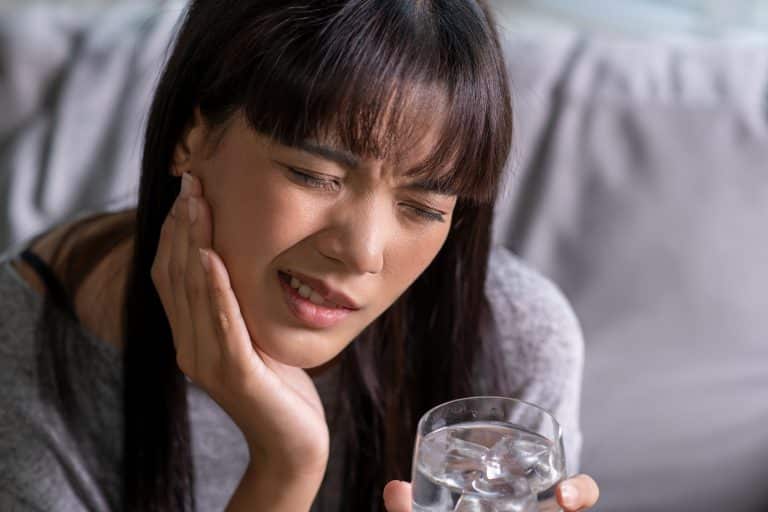
    Tooth Infection Can Cause Pressure and Pain

    When bacteria reach the pulp inside a tooth, infection can develop. The inflamed tissue inside the tooth creates pressure, which makes biting uncomfortable.

    Symptoms of infection may include:

    • pain when chewing
    • sensitivity to hot or cold
    • swelling in the gums
    • a small bump or pimple near the tooth
    • persistent throbbing discomfort

    In these cases, dentists often treat the infection through procedures such as root canal therapy to remove infected tissue and stop the spread of bacteria.

    Prompt treatment usually relieves pain quickly and prevents further damage to surrounding bone.

    Gum Disease Can Also Trigger Bite Pain

    Not all bite pain comes from inside the tooth. Sometimes the issue develops in the gums or bone that hold the tooth in place.

    Gum disease weakens the supporting structures around teeth. When inflammation affects these tissues, even normal chewing pressure can become uncomfortable.

    Regular preventive care can help avoid these problems. Routine exams and professional dental cleanings remove plaque and tartar that contribute to gum disease.

    The Centers for Disease Control and Prevention reports that nearly half of adults over age 30 show signs of gum disease, which makes preventive dental care especially important.

    Emergency Tooth Pain Help Port St Lucie FL

    When Tooth Pain While Biting Should Be Evaluated

    Some mild sensitivity can occasionally resolve on its own, but persistent bite pain should always be examined.

    You should schedule a dental visit if you experience:

    • pain lasting longer than a few days
    • swelling near the tooth
    • difficulty chewing
    • sensitivity that continues to worsen
    • a cracked or loose tooth

    If the pain develops suddenly or becomes severe, seeking care from an emergency dentist can help prevent further complications.

    Early treatment is usually simpler and more comfortable than waiting until the problem becomes severe.

    How Dentists Diagnose Bite Pain

    During your dental visit, the dentist will perform several steps to identify the source of pain.

    These may include:

    • reviewing symptoms and dental history
    • examining the tooth and surrounding gums
    • testing the tooth’s response to pressure
    • evaluating for cracks or fractures
    • dental X-rays to check the roots and surrounding bone

    These diagnostic steps help determine whether treatment may involve a filling, crown, periodontal therapy, or root canal care.

    How to Protect Your Teeth From Future Pain

    flossing

    Many causes of bite pain are preventable with consistent oral health habits.

    Dentists recommend:

    • brushing twice daily with fluoride toothpaste
    • flossing between teeth each day
    • scheduling regular dental exams and cleanings
    • avoiding chewing hard objects such as ice
    • wearing a night guard if you grind your teeth

    Preventive care allows dentists to identify small problems before they cause discomfort.

    Get Tooth Pain Checked Before It Gets Worse

    Pain when biting is often your body’s way of signaling that something inside the tooth or surrounding structures needs attention. Addressing the issue early may prevent infection, tooth damage, or tooth loss.

    If you are experiencing tooth pain while chewing, the team at Veranda Family Dentistry can help identify the cause and recommend the right treatment.

    Call 772.336.2300 or fill out the form below to schedule an appointment and protect your oral health.

    Frequently Asked Questions

    Yes. When tooth decay reaches deeper layers of a tooth, it can irritate the nerve and cause discomfort when chewing. Treating cavities early prevents infection and more complex treatment.

    Minor sensitivity may improve, but persistent bite pain usually indicates a structural problem or infection that requires professional evaluation.

    Pain after releasing pressure is often associated with a cracked tooth. The crack opens slightly when you bite and closes when pressure is released, which can irritate the nerve.