
Tooth Sensitive After a Filling: Why It Happens and When to Call
A tooth can be briefly sensitive to cold or sweets after a filling. Mild symptoms that fade quickly and improve are different from pain that lingers, gets stronger, or starts when you bite. Call your dentist if your bite feels wrong or the pain is not settling. Swelling, fever, or severe pain needs prompt attention.
The useful question is not just how many days have passed. It is what triggers the sensation, how long it lasts, and whether today feels better than yesterday. This guide explains what to watch for after a filling and what to tell the dental office.
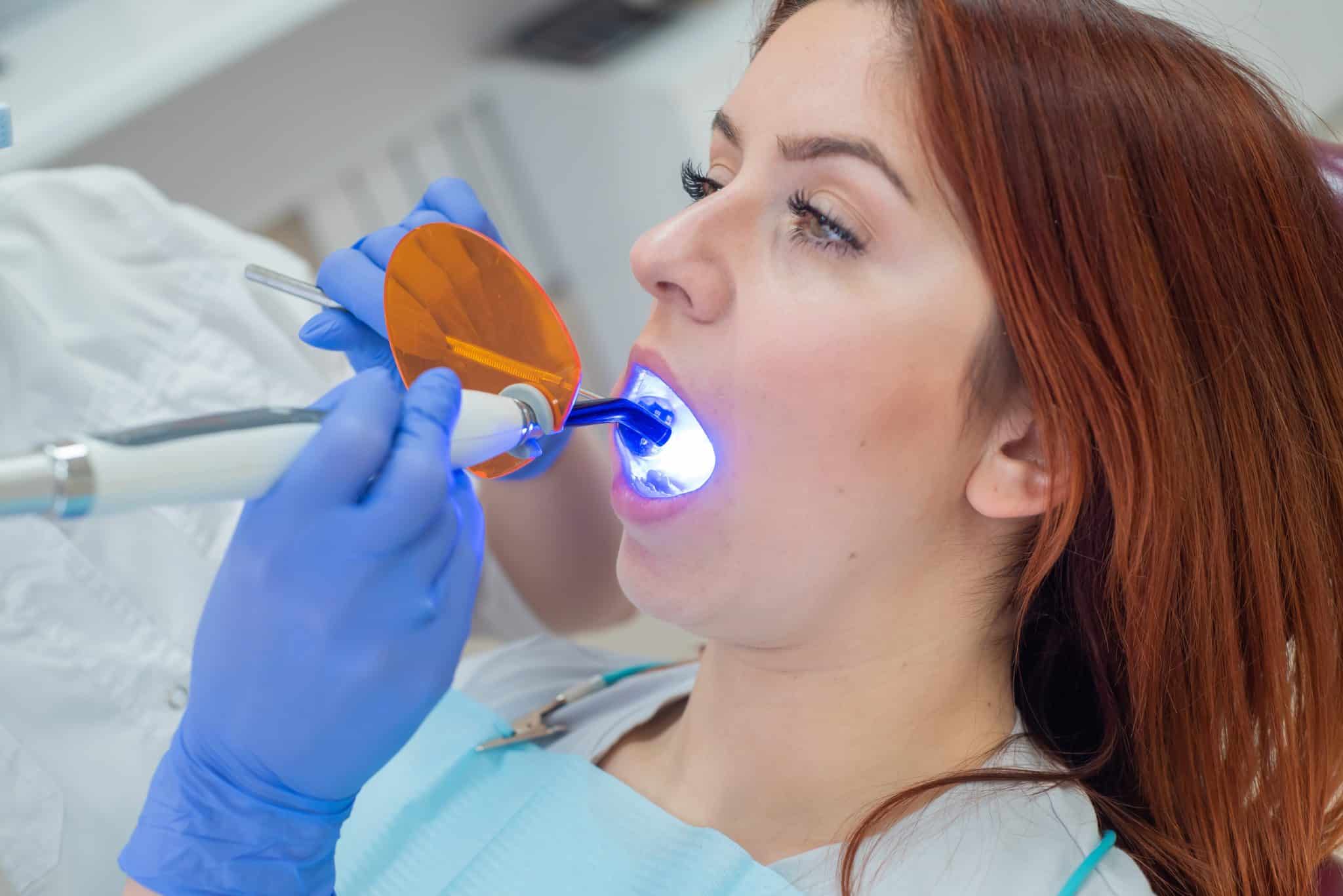
Why can a tooth feel sensitive after a filling?
A filling repairs lost tooth structure, but the tooth still has living tissue inside it. The pulp contains nerves and blood vessels. Dental treatment can temporarily irritate that tissue, causing temperature sensitivity, according to the American Association of Endodontists (AAE).
Sensitivity can also come from exposed dentin, the layer beneath enamel. Its tiny channels allow a stimulus such as cold to reach the inside of the tooth. The American Dental Association’s sensitivity guide explains that worn fillings, exposed roots, cracks, and decay are among other possible causes.
That is why a new symptom is not proof that the filling failed. It is also not proof that everything is fine. For background on the restoration itself, see Veranda’s tooth-colored filling information.
How long should sensitivity last?
Cleveland Clinic’s dental filling guidance describes minor sensitivity and gum soreness that usually settle within a week or two. Recovery varies. Your dentist’s instructions and the pattern of your symptoms matter more than a deadline on a calendar.
Keep a short note of the trigger and duration. Does cool water cause a quick twinge, or does the ache continue after you stop drinking? Are you avoiding meals or waking at night? Tell the office about changes rather than repeatedly testing the tooth with ice or hard food.
If mild sensitivity is not clearly improving, contact the dentist who placed the filling for advice. Do not wait through worsening pain just because you have heard that sensitivity can last several weeks.
What if the tooth hurts when you bite?
A new filling that interferes with the way your teeth meet can cause biting pain. A dentist may need to reshape the filling, as Cleveland Clinic explains. Tell the office if the restored tooth seems to touch first when you close your mouth, especially after the numbness wears off.
Not every chewing symptom means the filling is too high. AAE guidance also identifies cracks, loose fillings, decay, and pulp damage as possible causes of sharp biting pain. An examination is needed to tell them apart. Do not try to file or adjust the filling yourself.
If the pain started before the filling or is difficult to locate, mention that too. Veranda’s guide to a tooth that hurts when biting down covers the broader possibilities.
Which symptoms mean you should call promptly?
Contact a dentist promptly for pain that is getting worse, ongoing pain without a clear trigger, or temperature pain that continues after the food or drink is gone. The AAE treats lingering temperature pain as a reason for evaluation, not something to diagnose at home.
Call urgently if dental pain comes with fever, a swollen face or jaw, or a broken filling. Cleveland Clinic identifies these as reasons to contact a dentist right away. Describe the swelling and when it started when you call.
Get emergency medical care for swelling that makes breathing, swallowing, or speaking difficult, or swelling around the eye or neck. These are emergency warning signs in NHS toothache guidance. Do not wait for a website form response.
What can you do while waiting for advice?
Follow the instructions given at your filling appointment. If a tooth is sore, choose soft foods and avoid very hot, very cold, or sweet items that trigger pain. NHS guidance recommends these temporary measures while you arrange care. They do not treat the cause of persistent pain.
Use a soft toothbrush and keep cleaning gently. A toothpaste for sensitive teeth may help some types of sensitivity, but the ADA notes that it can take repeated applications to work. Ask whether it suits your situation; it cannot correct a filling that changes your bite.
Ask a pharmacist or dentist which pain medicine is safe for you, and follow the label. Mention your medicines, health conditions, and pregnancy if relevant. Do not use temporary pain relief as a reason to delay an examination when symptoms are worsening.

What should you ask at a follow-up visit?
Ask the dentist to explain what the examination suggests before discussing another procedure. Useful questions include whether the filling is affecting your bite, whether the tooth needs further testing, and what would make observation reasonable. Veranda’s dental exam page explains the practice’s examination service.
Bring the filling date, your symptom notes, and any instructions you received. If another office placed the filling, say so when booking and ask whether records would help. Describe which side hurts if you cannot identify the exact tooth.
Before additional treatment, ask for an estimate that separates the examination, any imaging, and the proposed procedure. Ask whether a follow-up adjustment is included in the original fee. Do not assume it is free or covered by insurance; the office and your insurer can clarify your expected share.
Other questions after a filling
Does sensitivity mean I need a root canal?
No. Sensitivity alone does not establish that. If testing shows a more serious pulp problem, further treatment may be needed. Read about root canal treatment, and ask what findings support the recommendation for your tooth.
Can I eat while my mouth is still numb?
Waiting until numbness wears off helps prevent accidentally biting your cheek. Follow the eating instructions for your particular filling, and call the office if those instructions are unclear.
What should I say when I call?
Give the treatment date, the trigger, how long the pain lasts, and whether it is improving. Mention biting pain, swelling, fever, or sleep disruption at the start of the call so the office can advise you about timing.
Ask about a sensitive tooth in Port St. Lucie
For questions about a filling or to request an examination, call Veranda Family Dentistry at 772.336.2300. The office is at 718 SE Becker Road in Port St. Lucie. You can also use the appointment request form below for nonurgent requests.
This information is general guidance, not a diagnosis of your tooth.