
Tooth Extraction Recovery: What to Expect During the First Week
Most people have some bleeding, soreness, and swelling after a tooth is removed. The first day is about protecting the blood clot in the socket. Discomfort may be stronger on days two and three, then should begin to ease. By the end of the first week, many people feel better, although the socket can take longer to close.
Your own recovery depends on the tooth, whether the removal was simple or surgical, and your health. Follow the instructions your dentist gave you, even when they differ from general advice online. Veranda’s tooth extraction service explains the procedure itself. This guide begins with the first week at home and helps you recognize changes that deserve a call.
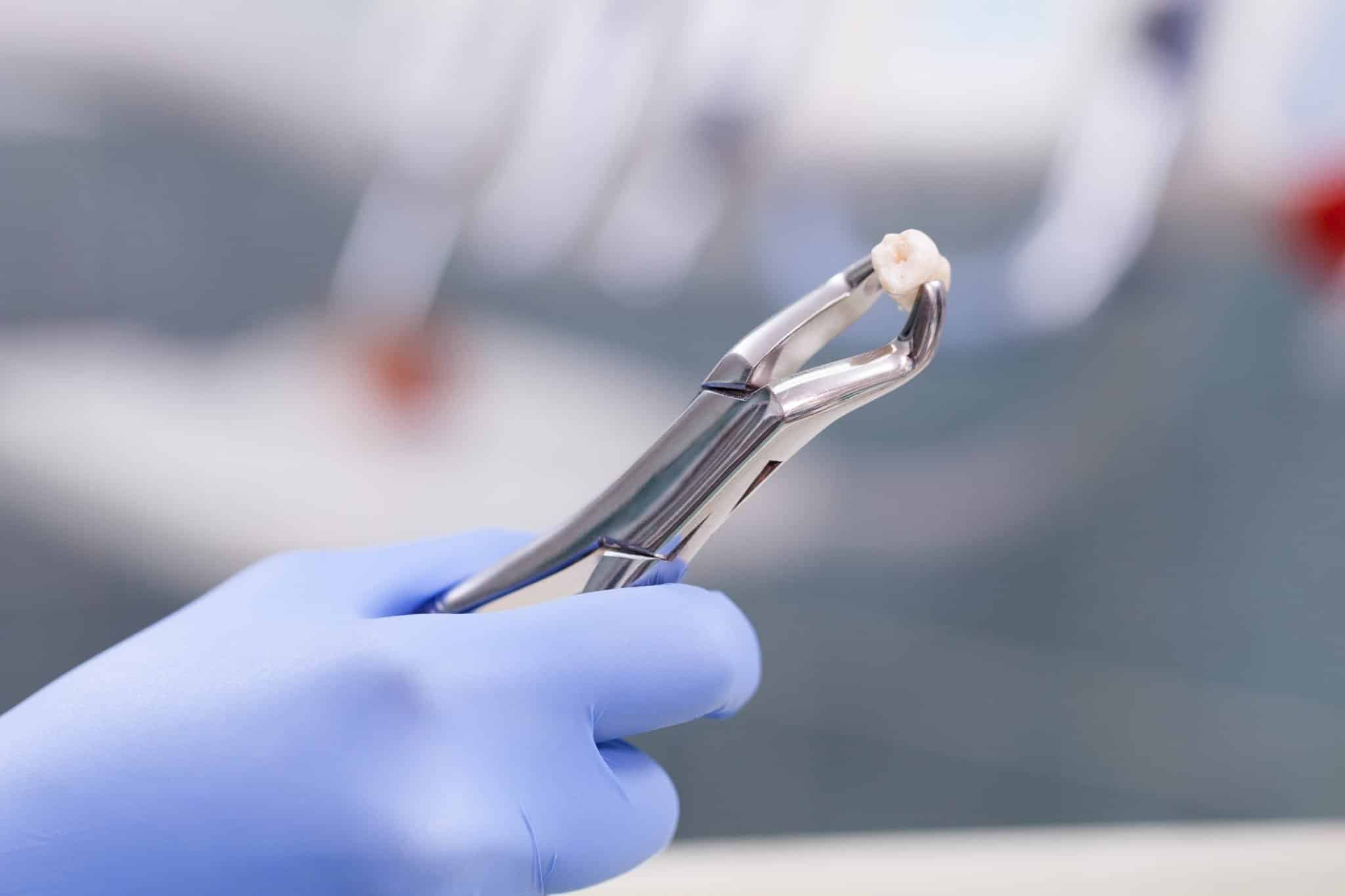
What should I do during the first 24 hours?
After the extraction, your dentist will place gauze over the site and explain how long to bite on it. A little blood mixed with saliva can look dramatic, but small amounts of oozing are common. If fresh bleeding continues, use the clean gauze and pressure method your dental team recommends. Contact them if firm pressure does not slow it.
A blood clot forms in the socket and protects the area. For the first day, avoid vigorous rinsing, spitting, smoking, and drinking through a straw. These can disturb the clot. The American Dental Association’s extraction guidance also advises following the diet your dentist suggests. Choose cool or lukewarm soft foods, chew away from the site, and wait until numbness wears off so you do not bite your cheek or tongue.
Take it easy that day. Ask your dentist when you can return to exercise or heavy lifting, especially after a surgical extraction. If you were given specific directions for stitches, a bone graft, or a temporary tooth, those directions take priority.
What is normal on days two and three?
Soreness and swelling can be more noticeable during the first two to three days before they start to settle. A little blood in your saliva may continue. Bruising and a stiff jaw can occur, especially after a more involved procedure. The Guy’s and St Thomas’ dental surgery guide describes this early pattern and notes that swelling can last several days.
After the first 24 hours, many dental teams advise gentle salt-water rinses and careful brushing of the other teeth. Do not scrub the socket or swish hard. Follow the timing and method on your own aftercare sheet. Keep eating soft foods as needed, drink water, and avoid foods that poke or crumble into the healing area.
For pain relief, ask what is safe with your medicines and health conditions. The ADA’s current pain guideline supports certain nonopioid medicines for many adults and adolescents after extraction, but the right choice is personal. Do not start, stop, or combine medicines based only on a blog.
What changes from day four through day seven?
By this point, the main question is whether the trend is improving. Pain, swelling, and tenderness should generally begin to ease, although the hole may still be visible and chewing on that side may remain uncomfortable. A complex extraction can take longer than a simple one. Healing of the gum and bone continues well beyond the first week.
Keep the area clean in the way your dentist described. Return to usual foods gradually when chewing feels comfortable and you have been cleared to do so. If stitches were placed, ask whether they dissolve or need a return visit. Do not pull at them yourself.
If you expect to replace the tooth, the first-week visit is a good time to ask about the longer plan. Veranda’s dental implant restoration information describes one possible replacement service, but the right option and timing depend on an examination and the healing site.
How can I protect the socket while eating and cleaning?
Think of the first few days as protecting a healing wound. Soft foods such as eggs, yogurt, mashed potatoes, and tender pasta are usually easier to manage. Let hot food cool, avoid sharp or crunchy pieces near the socket, and drink from a cup. If a food causes pain or gets caught in the site, choose something gentler for now.
Brush the rest of your teeth as you normally would, but be gentle near the extraction area. Your dentist may tell you when to begin cleaning close to the socket and when to rinse. Avoid tobacco. The ADA notes that smoking can delay healing, and suction from a straw can disturb the clot early on.
People with diabetes, immune concerns, or other health conditions may need tailored instructions. Let the dental team know about your medicines and any change in your health. A planned follow-up or dental examination can address concerns before they become more painful.
When should I call the dentist instead of waiting?
Call if bleeding stays heavy despite the pressure instructions you were given, pain is getting worse after it had started to improve, swelling increases rather than settling, or you develop fever, pus, or a persistent bad taste. Severe pain that appears a few days after removal can be a sign of dry socket. The ADA explains dry socket as loss of the protective clot and advises contacting a dentist if it occurs. It needs an examination, not home treatment alone.
Get urgent medical help if swelling makes it hard to breathe, swallow, or speak, or spreads toward your eye or neck. If you cannot reach your dentist for uncontrolled bleeding or severe symptoms, seek urgent care. Do not wait for the one-week mark to ask about a change that worries you.
What if I take blood thinners or have special instructions?
Medication plans matter after an extraction. If you take a blood thinner, do not stop or change it on your own. Tell your dentist what you take and follow the plan they gave you for bleeding and pain medicine. Our guide to dental work while taking blood thinners explains why your dentist and prescribing clinician may need to coordinate care.
Also ask whether your instructions change because of stitches, an implant plan, a graft, a difficult removal, or another medical condition. Those details can affect when to rinse, what to eat, and when to return. This article cannot replace the aftercare sheet from your treating dentist.
Questions patients ask during recovery
Is a white or yellow layer in the socket an infection?
Not always. Healing tissue can look pale, and appearance alone cannot diagnose an infection. Call your dentist if the area also has worsening pain, swelling, fever, pus, or a bad taste. Avoid picking at the socket.
Can I go back to work the next day?
That depends on the procedure, how you feel, your job, and any sedating medicine you received. A simple extraction with local anesthetic may allow a quicker return than a surgical removal. Ask your dentist when lifting, driving, and exercise are safe for you.
When can I chew on that side again?
Wait until the numbness is gone and follow your dentist's diet instructions. Start with soft foods and return to normal chewing as the site becomes comfortable. If biting causes new or increasing pain, call before forcing it.
Talk with Veranda if your recovery is not improving
Recovery should move in the right direction, even if every day is not identical. If you are unsure about bleeding, pain, swelling, food, medicines, or a planned replacement, call Veranda Family Dentistry at 772.336.2300. The office is at 718 SE Becker Road in Port St. Lucie. For nonurgent questions, you can request an appointment using the form below.
This is general information for patients. Your dentist’s instructions for your extraction come first.