
Can a Root Canal Tooth Get a Cavity? What to Watch For
A treated tooth still has natural outer tooth structure that needs daily care and regular dental checks.
The short answer
Yes. A tooth can develop a new cavity after root canal treatment. The procedure treats the pulp and seals the root canal space, but it does not make the enamel, dentin, root surface, filling, or crown margins immune to plaque and decay.
New decay can weaken the remaining tooth or allow bacteria to reach the sealed interior if it is not treated.
“Root canal treatment protects the inside of a tooth. It does not make the outside immune to new decay.”
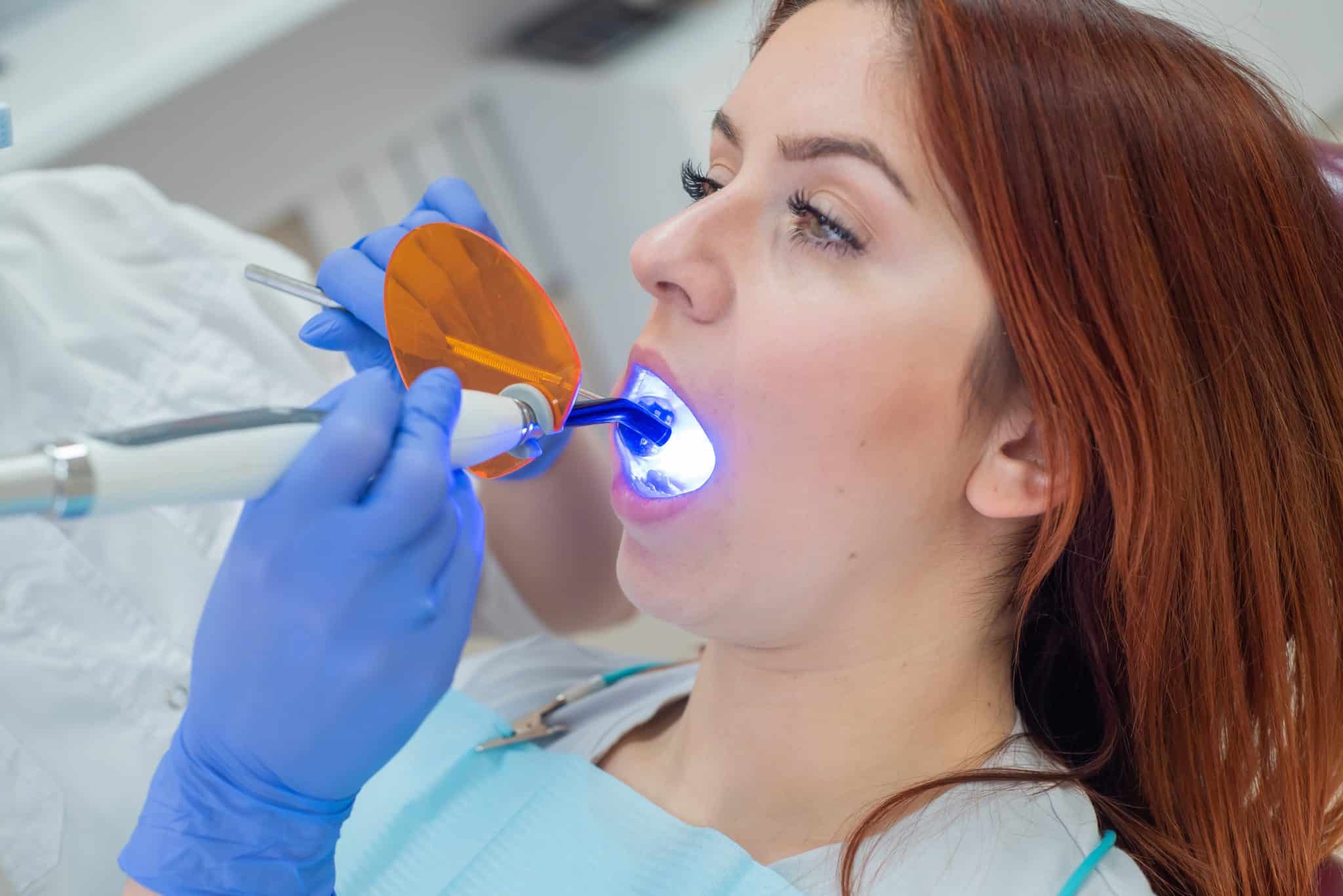
Stock photo for illustration. The people shown are not identified as Veranda patients or clinicians.
How can decay develop after a root canal?
Root canal treatment removes inflamed or infected pulp, cleans the internal canal spaces, and seals them. The tooth remains in your mouth and still has an outer surface exposed to plaque, food, drinks, and normal wear.
Decay can begin on exposed enamel or root surfaces. It can also form at the edge of an older filling or crown if plaque collects there or if the restoration develops a gap, chip, or fracture. The American Association of Endodontists notes that new decay, a loose or cracked restoration, or a tooth fracture can expose root canal filling material to bacteria and create a new problem.
This is why the final restoration matters. A permanent filling, onlay, or crown helps seal and protect the treated tooth, but it still needs maintenance.
Why might a cavity be harder to notice in a treated tooth?
A treated tooth may not give the same early warning that an untreated tooth does. Because the pulp and its nerve tissue were removed, a new cavity may not cause the familiar cold or sweet sensitivity from inside that tooth.
That does not mean the area cannot hurt. The tissues around the root, the gum, the bite, and neighboring teeth still have nerves. A person may notice tenderness, pressure, a rough edge, food catching near a restoration, or a change in the way the tooth feels. Sometimes there are no obvious symptoms, which is one reason regular dental exams and appropriate X-rays are important.
What changes should you watch for?
Call for an evaluation if you notice a change around a root-canal-treated tooth, especially if it is persistent or getting worse. Possible signs include:
- a dark line, hole, or rough area near a filling or crown margin
- food repeatedly catching around the tooth
- a filling or crown that feels loose, chipped, or cracked
- new pain when biting or pressure around the tooth
- gum swelling, a pimple-like bump, drainage, or a bad taste
- pain or swelling that returns after the tooth had been comfortable
These changes do not prove that a cavity is present. A cracked restoration, bite problem, gum condition, fracture, or a problem in a nearby tooth can feel similar. A dental exam is needed to identify the cause.
What will a dentist check?
The examination usually starts with your symptoms and the history of the root canal and final restoration. The dentist can inspect the edges of the filling or crown, check for visible decay or fractures, evaluate the gums, and test how the tooth contacts the opposing teeth.
Dental X-rays may help show decay that is not visible between teeth or beneath part of a restoration. They can also help assess the bone and tissues around the root. Not every crack or margin problem appears clearly on an X-ray, so the clinical examination and imaging are interpreted together.
If the concern is mainly about pain after treatment, our guide to pain after a root canal explains which patterns deserve a call. If the question is whether the tooth needs more protection, read when a crown may be recommended after a root canal.
How is a cavity in a root-canal-treated tooth treated?
Treatment depends on where the decay is, how deep it extends, how much sound tooth remains, and whether the restoration and root canal seal are still intact. A small accessible area may be repaired with a new filling. A damaged filling, onlay, or crown may need replacement.
If decay has reached the sealed canal space, if a restoration allowed contamination, or if signs point to a new infection, additional evaluation may be needed. The dentist may discuss endodontic retreatment, a new restoration, or another option based on whether the tooth can be predictably repaired. A tooth that is badly fractured or has too little healthy structure may not be restorable.
An exam is the only reliable way to sort out these choices. This article cannot determine which treatment is appropriate for a specific tooth.
How can you lower the risk of new decay?
Care for a root-canal-treated tooth the same way you protect the rest of your mouth:
- brush twice a day with fluoride toothpaste
- clean between teeth daily, including around crown margins
- limit frequent sugary snacks and drinks
- keep regular professional cleaning visits and examinations
- ask about dry mouth if medicines or health conditions reduce saliva
- avoid using teeth to open packages or bite hard objects
- have a loose, chipped, or lost restoration checked promptly
Early mineral loss may sometimes be stopped or reversed with fluoride and risk reduction before a cavity forms. Once a true hole has developed, the lost tooth structure does not grow back. Our related guide explains which early cavity changes can be reversed.
When should you call?
Schedule a dental visit if you notice a change around a treated tooth, even if it is not painful. Prompt attention is especially important for a loose or broken crown or filling, worsening pain, swelling, drainage, fever, or symptoms that returned after improving.
Rapidly spreading facial swelling or trouble breathing or swallowing can require emergency medical attention.
Veranda Family Dentistry can examine the tooth, review the restoration, and explain the available next steps. Call 772.336.2300 to arrange a visit.